
Word Search – Ergonomics
Can you find all the words associated with ergonomics injuries?

Can you find all the words associated with ergonomics injuries?

Download Instructor-Led Material Meeting Kit PowerPoint Safety Talk ¿QUE ESTÁ [...]

Download Instructor-Led Material Handout PowerPoint Quiz Safety Talk What’s at [...]
The time to unearth potential problems in your current workplace first aid arrangements is right now—before a medical emergency does it for you. Although first aid requirements can vary - there are FIVE sets of documents to focus on when conducting an audit of your first aid program.

Don’t take chances when it comes to icy surfaces. Ice on walking and working surfaces can cause serious slip, trip, and fall hazards which can lead to disabling injuries, major concussions, and loss of life. Avoid these icy hazards by ensuring procedures are in place and enforced for the safe removal of ice on these seven surfaces.
A first aid program is required for most employers in the U.S. and Canada. The program should be based on the hazards, risks, and proximity to medical services of an individual site, however there are several elements that every program should include.
A human heart can cease beating within 4 minutes after breathing stops. Permanent brain damage can occur within 4 to 6 minutes after breathing stops. Average ambulance response time is 8 to 12 minutes.
Training your first aid attendants and first responders is a required part of every first aid program. But do you know what exactly should be covered or what training methods to use? Hazards are present at all worksites, from offices to mines. So too are the chances of injuries and illnesses. Sudden cardiac arrest, severe bleeding, shock, a near-drowning, or lack of oxygen during confined space work are all life-threatening emergencies. Without prompt and properly performed first aid a victim of any of these situations will very likely die or be permanently disabled while waiting for emergency services to arrive and begin care.
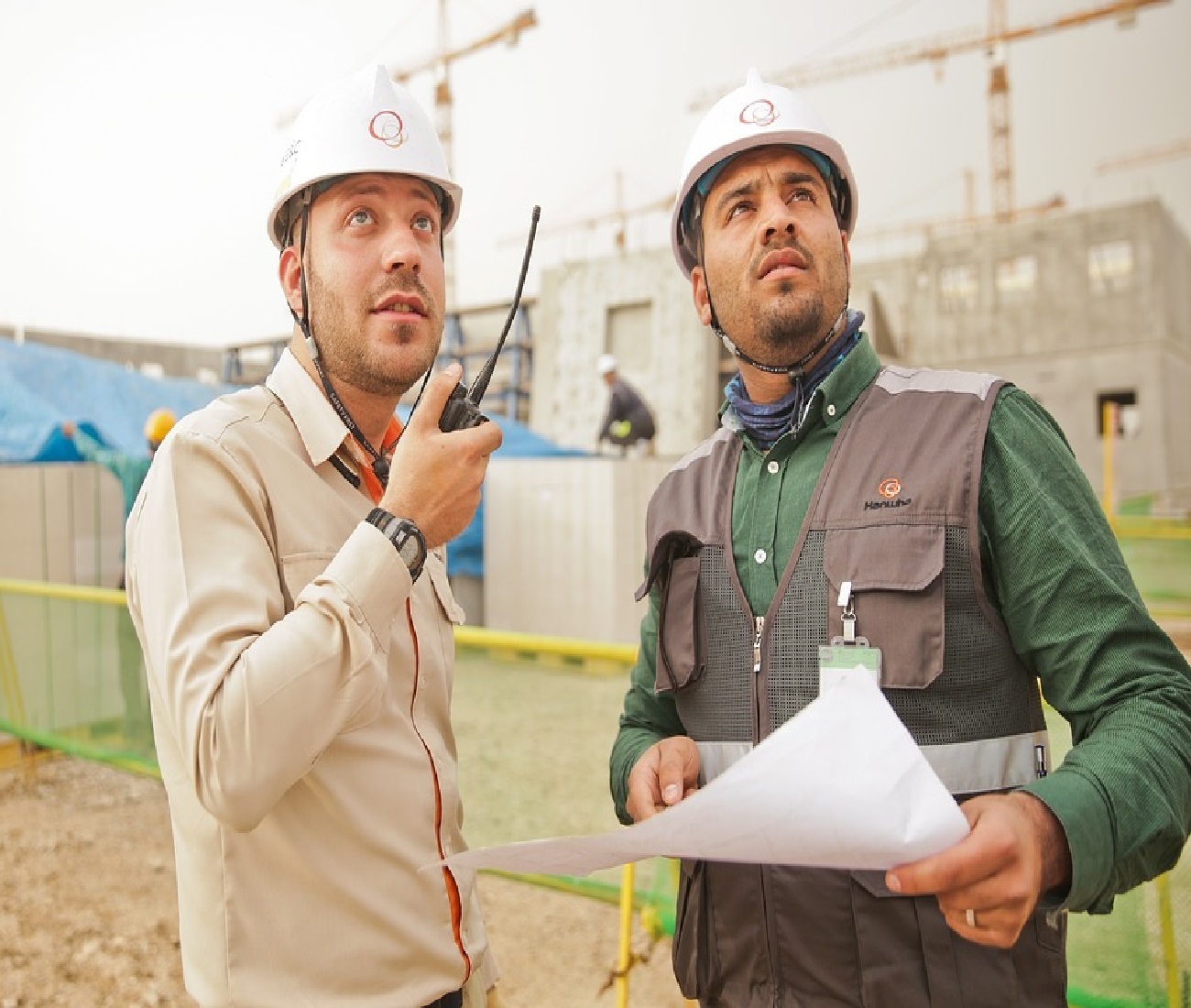
Here are 8 crucial skills supervisors need to have.
February 27th, 2019 | Summary coming soon.
Stress – everyone has it. It is a natural part of life, but too much stress can cause health problems and can affect your ability to work safely. It’s becoming increasingly difficult to disconnect and unwind in our 24/7/365 world of news, noise, and responsibilities.
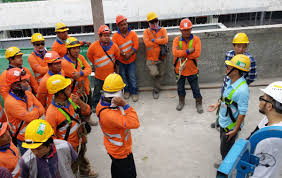
March 27th, 2019 | One of the most powerful protections for employees under the Occupational Health and Safety Act is the right to refuse unsafe work. While the right to refuse unsafe work has proven to be an essential element of safeguarding workplace safety, it has also been improperly used as a tool for other, non-safety related ends by employees and organized labour. Employers must navigate these treacherous waters, ensuring that legitimate work refusals are dealt with appropriately, while preventing abuse of this significant power.
Slips, trips and falls are among the leading causes of workplace injuries. They occur when housekeeping procedures aren’t followed and enforced, when you rush or fail to pay attention to what you’re doing and where you’re walking, when you don’t wear the right kind of footwear, and when stairways, parking lots, and other walking and working surfaces aren’t well-maintained.

Fire, natural disaster, and other emergencies can strike your workplace without warning at any time. While you can’t predict them, you can prepare for them and preparedness save lives, prevent injuries and limits property damage. If that’s not motivation enough, being prepared for workplace emergencies may save your business thousands and even hundreds of thousands in safety fines avoided.
Most workplaces in Canada and the U.S. are required or voluntarily have safety committees, or Joint Health and Safety Committees (JHSC). A safety committee or JHSC is made up of worker and management representatives that meet on a regular basis to discuss and deal with health and safety issues.
Carpal Tunnel Syndrome, or CTS, is nerve damage in your hand that’s caused by repetitive motions, such as using tools or a computer keyboard.
A burn means more than the burning sensation associated with this injury. Burns cause skin damage because the skin cells die. Burns can happen at work and outside of work. In fact, burns are one of the most common household injuries, especially among children.
An electrical burn occurs when skin meets an electrical voltage. It does not always leave a significant burn to the skin, but the electricity can cause significant internal damage to nerves, muscles and internal organs.
Sexual harassment is defined as any conduct, comment, gesture, or contact of a sexual nature that is likely to cause offence or humiliation to any employee; or that might, on reasonable grounds, be perceived by that employee as placing a condition of a sexual nature on employment or on any opportunity for training or promotion.
A fracture is the medical term for a broken bone. The break can be along the length of the bone or across the bone, so it looks as though the bone has snapped. These are generally clean breaks but sometimes the bone can fracture in several places, especially if the fracture is caused by a fall from a great height or from being crushed.
Slips, trips, and falls are consistently rank as one of the top 2 causes of injuries and deaths on the job. Our contributor, Zachary O’Dell from SafetyLine asks, “Have you taken these 6 precautions to avoid injuries in your own workplace?”
Slip, trip, and fall injuries are one of the most common causes of workplace injuries and death. The falls from slips and trips can lead to disabling injuries, traumatic brain injuries, surgeries, and countless hours in rehab. These types of injuries are painful and costly and can put stress on your relationships, lead to depression, anxiety, and in some cases post-traumatic stress disorder, or PSTD.
When someone is choking with a completely blocked airway, no oxygen can enter the lungs. The brain is extremely sensitive to a lack of oxygen and begins to die within four to six minutes. Irreversible brain death occurs in as little as 10 minutes.
Phone Number: 800.774.2755
Fax: 800.326.2864
Email: support@coactionspecialty.com
Coaction Specialty Insurance
412 Mount Kemble Ave.
Morristown, NJ 07960
Report the loss as soon as possible to claims@coactionspecialty.com or call 800.774.2755 (Option #1 for reporting a new claim, Option #2 for all other existing claims).
Immediately. When filing a claim, notify Coaction by contacting us either via email at claims@coactionspecialty.com, by phone at 800.774.2755 (Option #1 for reporting a new claim, Option #2 for all other existing claims) or fax 800.326.2864.

Terms of Use | Legal Notice & Privacy Policy
Copyright 2020 SafetyNow ILT – a product of Bongarde Media